 Phone number:
(587) 885-9120
Phone number:
(587) 885-9120
Restore access without overlooking safety
Commercial Garage Door Repair in Calgary
Commercial sectional or rolling door not operating correctly? We assess the door, operator, controls and safety devices, then define the repair scope.

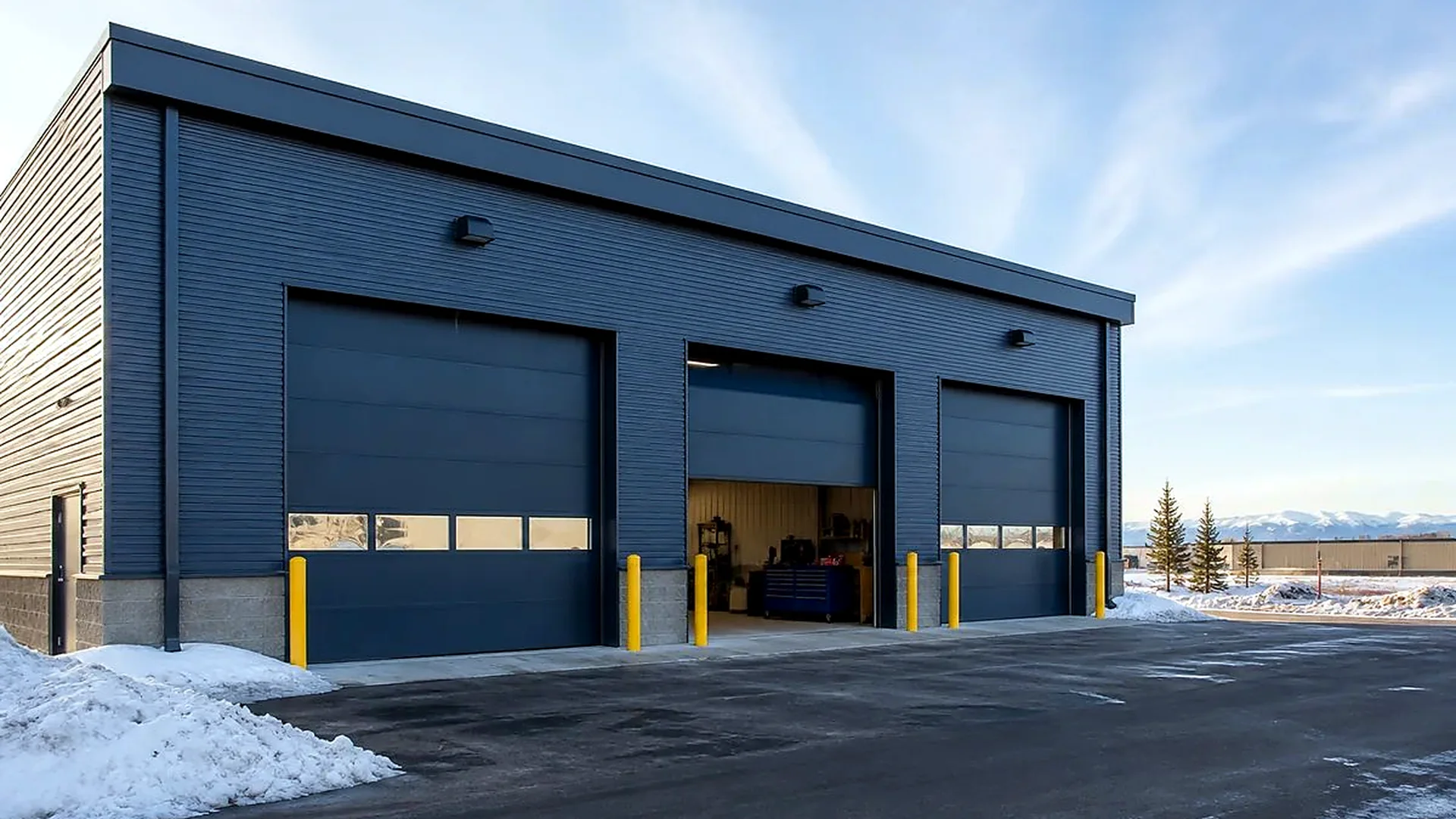
Restore access without overlooking safety
Commercial sectional or rolling door not operating correctly? We assess the door, operator, controls and safety devices, then define the repair scope.
Keep staff and vehicles outside the affected area
Mechanical and automatic systems are checked together
Repair priorities and access needs are explained
7am to 10pm
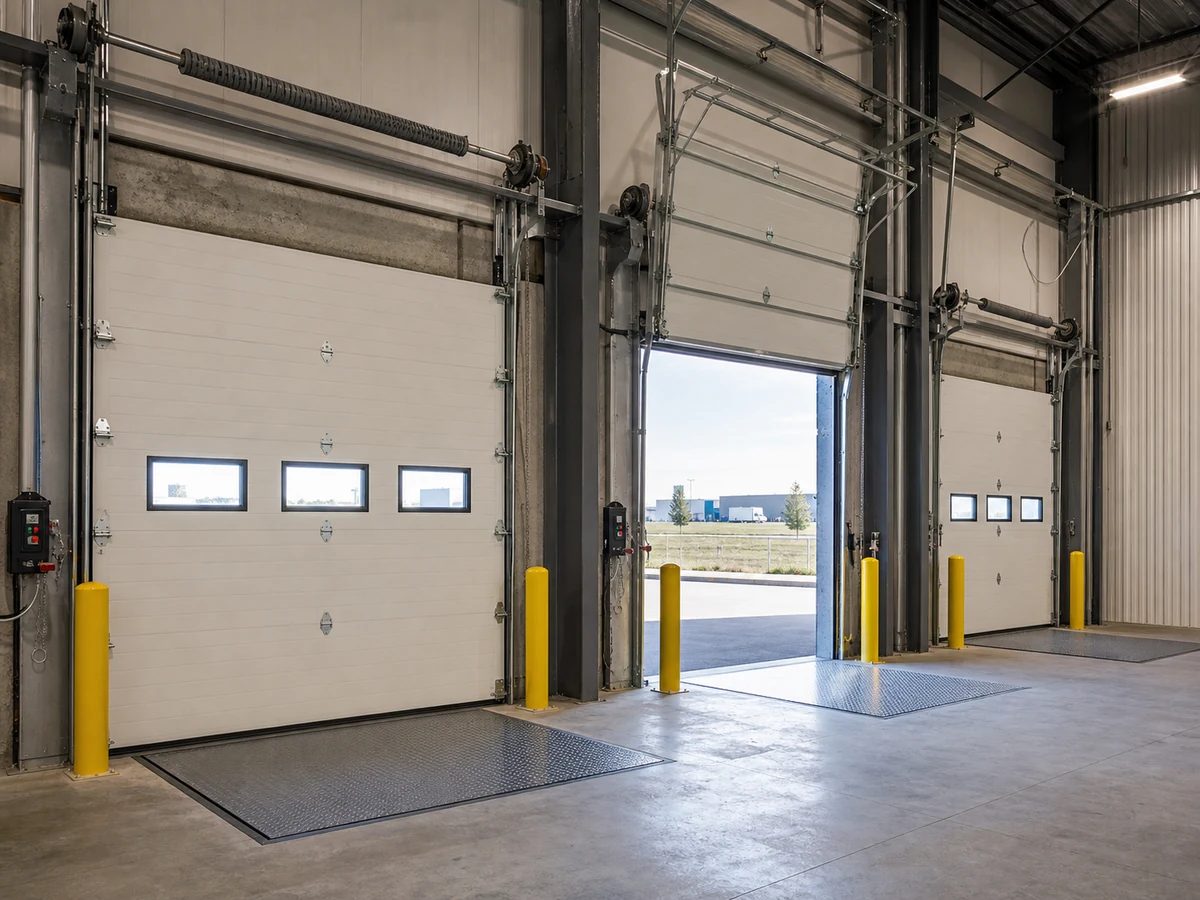
Commercial doors support traffic, security and workflow
A commercial overhead door can fail at the panel, slat, track, spring, cable, operator, control or safety-device level. The first priority is understanding whether the opening can be secured and whether the door is stable enough to approach.
We review the door type, dimensions, duty, current position and operator setup before defining the work. Photos of the inside hardware and model labels help identify likely parts and access requirements before the visit. Planned inspection needs can also be discussed through our planned garage door maintenance.
Separate the failed door from normal traffic
Stop door operation, keep people and vehicles away, and use the site’s safety procedure to isolate the area. Do not stand below a suspended section, loose cable, damaged track or partially open rolling curtain. Do not bypass a monitored safety device to restore automatic closing.
Record the door position and visible damage from a safe distance. Tell us whether the opening is exposed, whether another entrance is available and what site-access rules apply.
Security, weather exposure and the ability to isolate the bay affect the service plan.
Impact can move tracks, panels and supports beyond the visible contact point.
Different commercial doors fail in different ways
The repair path depends on the door construction, operator and how the opening is used during business operations.
Panels, hinges, rollers, tracks and counterbalance are checked after wear or impact.
Curtain, guides, barrel, hood and operator symptoms are reviewed by system type.
Springs, cables, shafts, drums and bearings are assessed before movement resumes.
Controls, drive components, limits and the physical door load are diagnosed together.
Photo eyes, edges and related protective equipment are checked without bypassing safeguards.
Vehicle routes, interior clearance and equipment access are included in service planning.
A clear path from shutdown to return to use
STEP 1
Confirm the door position, exposure, traffic impact and immediate safety concerns.
STEP 2
Identify the door, operator and failed mechanical or control components.
STEP 3
Explain repair priorities, parts, access needs and any temporary limitations.
STEP 4
Complete the authorized work and test movement, controls and safety response before handoff.
Details help us prepare for an active site
Commercial doors vary widely in size, construction and operator type. A model label and wide photos can be more useful than a general description such as industrial door. Include the exact door position and whether the opening can be isolated.
Access also matters. Let us know about loading schedules, security sign-in, lift requirements, electrical lockout procedures and the safest place for a service vehicle. These details reduce surprises at an active property.
Repair cost depends on the door and site access
Door type and size, failed components, operator and control requirements, access equipment, door position, site restrictions and parts availability all affect the repair. Impact damage may involve tracks, supports and panels beyond the first visible mark. The quote should state what is known and what must be confirmed on site.
Send photos from both sides of the opening, model labels and the site address. Include the site contact for access and tell us whether the door is affecting security or scheduled traffic.
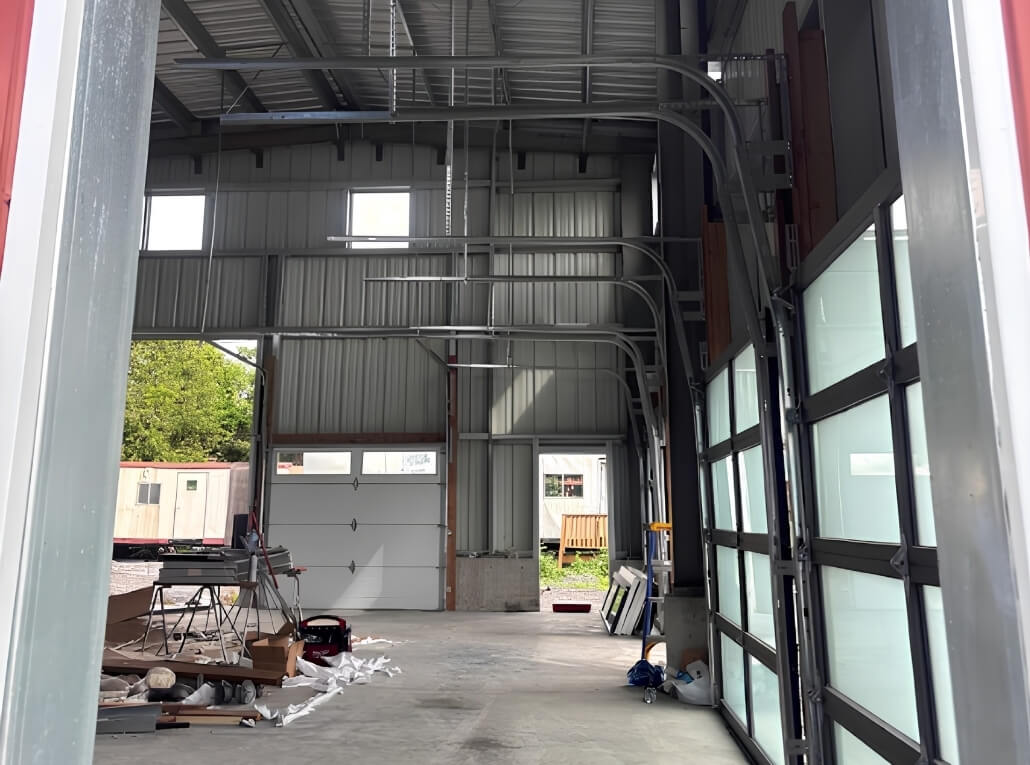
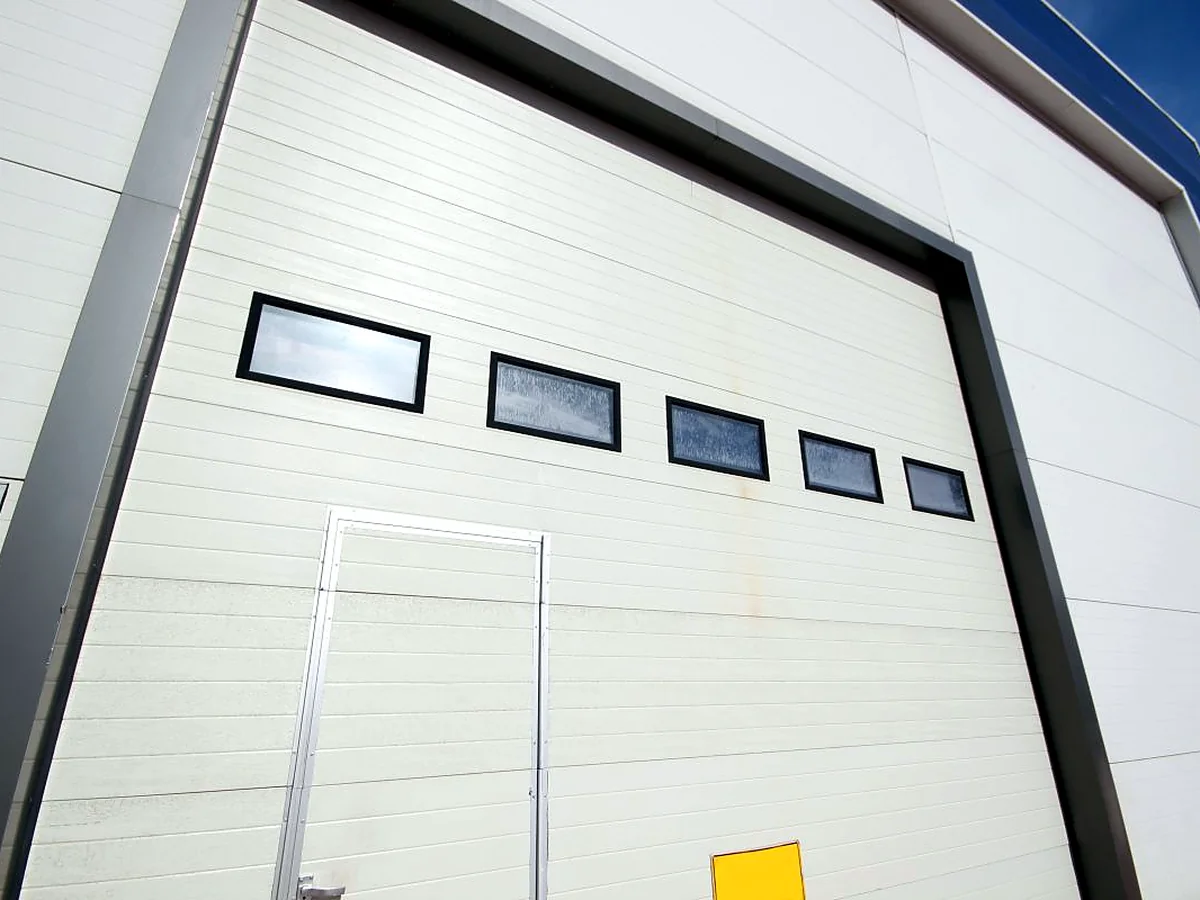
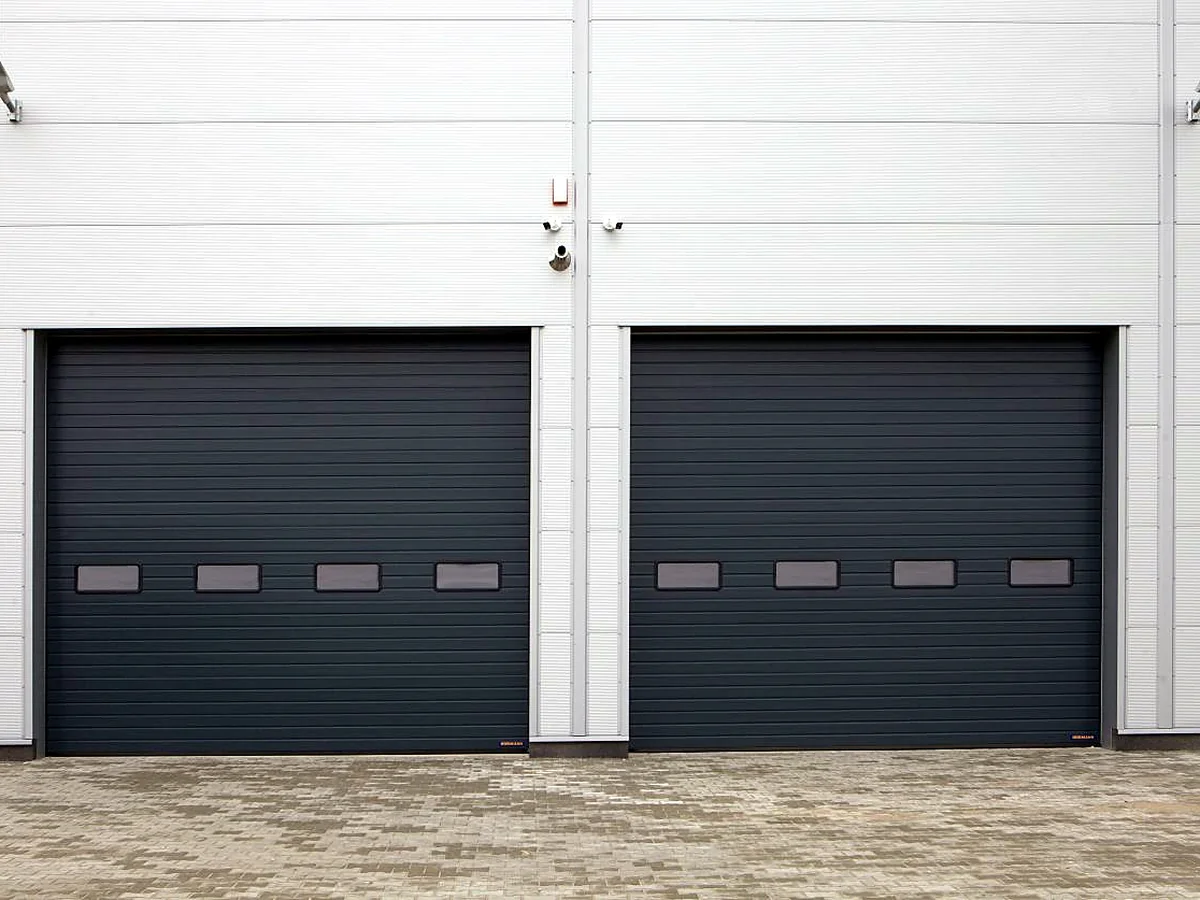
Free EstimateLoading bays, full-height sectional doors and rolling doors use different tracks, operators and safety arrangements. These images illustrate the range of commercial systems that must be identified before repair scope is confirmed.
View Gallery
Citywide and nearby communities
Commercial garage door repair is scheduled across Calgary for shops, warehouses, service bays and other business properties. For a nearby site, send the full address, door condition and access requirements so we can confirm availability.
Clear answers before service
Scheduling can be discussed with the site contact, but the door and work area must be safely available for inspection and testing. Share receiving hours, traffic restrictions and the preferred service window.
The technician may need clear access to both sides of the opening, the tracks or guides, spring hardware, operator, controls and electrical disconnect. Move stored materials and parked vehicles before the visit when it is safe to do so.
A site contact should be able to provide access, explain what happened and confirm how the opening is normally used. They should also know any loading-bay or safety procedures that affect the work area.
Multiple doors at one property can be planned together. Send a numbered list with the type, position and symptom of each door so the visit can be scoped accurately.
The part is identified from measurements, labels and the existing system. If the door cannot be completed during the first visit, we explain the next step and whether a safe temporary condition is practical.
Send the site condition before the visit
Include the door position, site address, photos from both sides and access requirements. We will review the details and explain what should happen next.