 Phone number:
(587) 885-9120
Phone number:
(587) 885-9120
Find out whether the fault is in the opener or the door
Garage Door Opener Repair in Calgary
Opener clicks, hums, reverses or will not respond? We test the controls, safety devices and door movement before recommending repair or replacement.

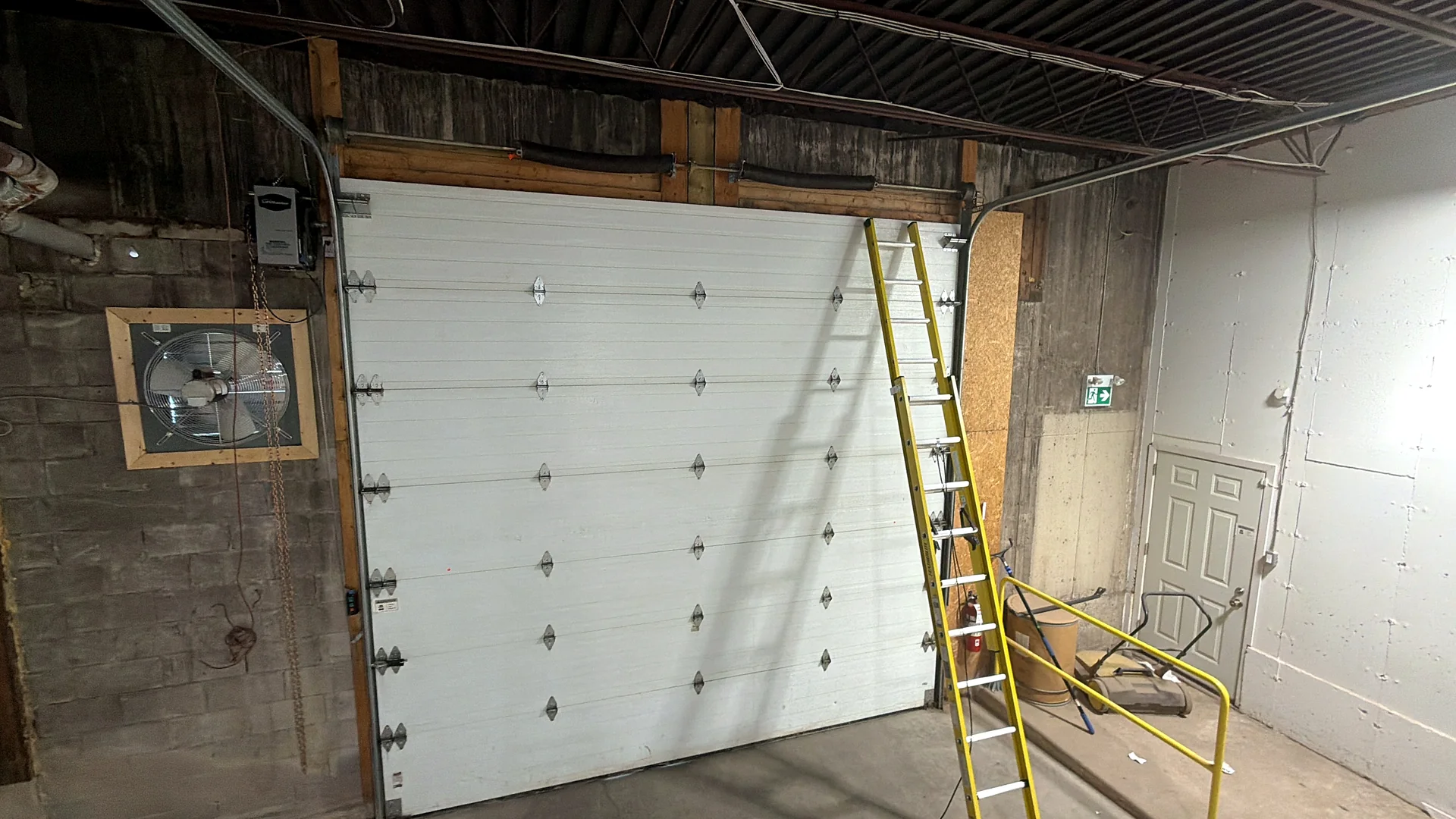
Find out whether the fault is in the opener or the door
Opener clicks, hums, reverses or will not respond? We test the controls, safety devices and door movement before recommending repair or replacement.
We identify which system is causing resistance
Photo eyes and reversal behaviour are checked
Wall control, remotes and keypad are considered
7am to 10pm
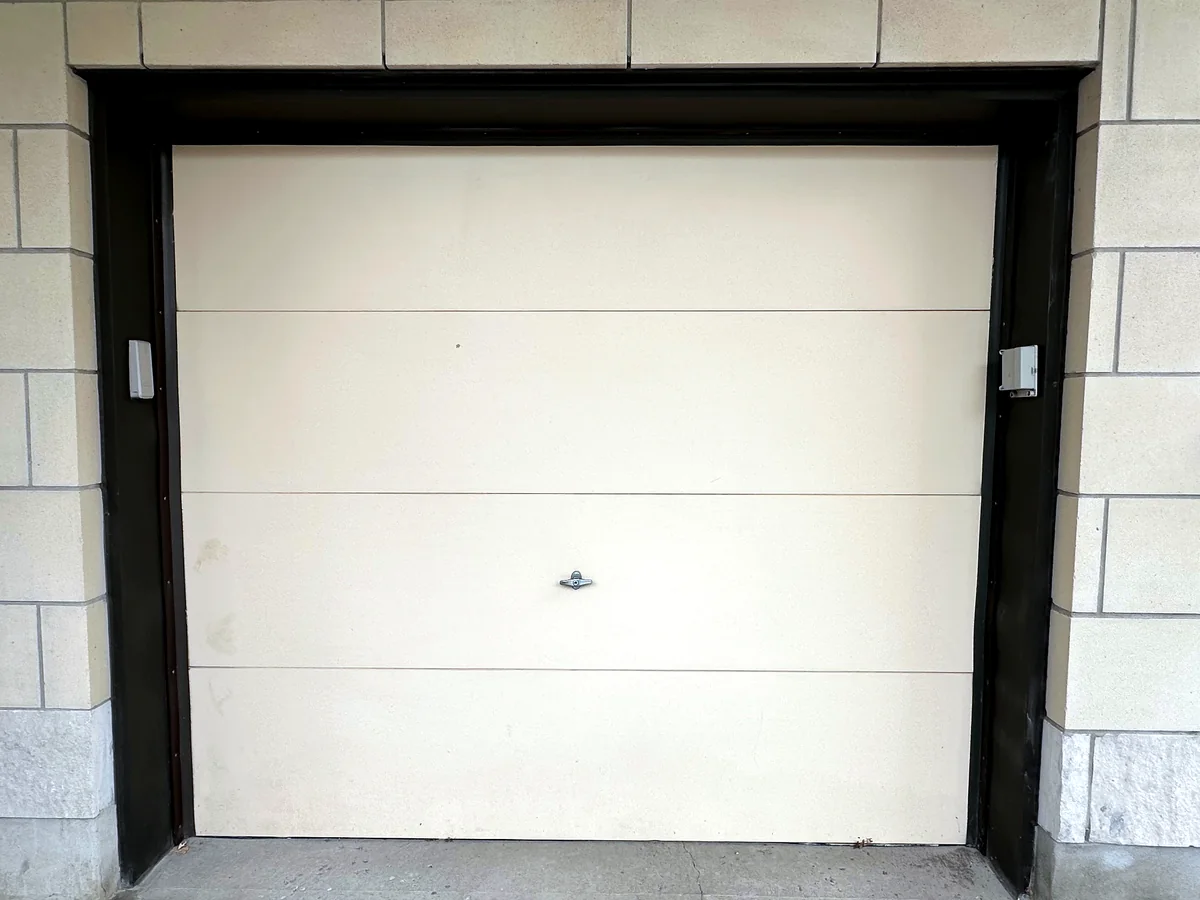
The opener is only one part of an automatic door
An opener can appear weak when the garage door is actually binding or out of balance. It can also stop because of power, control, sensor, travel or internal drive problems. We begin by checking whether the door itself moves correctly, then test the automatic system in a logical order.
This prevents an opener repair from masking a broken spring, cable issue or other garage door problem. It also helps us tell the difference between a small control fault and an older opener that may be better to replace.
Never defeat a safety device to keep the door running
Confirm the opener has power, replace remote batteries if needed and clear objects from the doorway. Gently clean the photo-eye lenses and check whether their brackets were bumped. Do not tape a button down, bypass sensors or increase force settings to push through a mechanical problem.
Only use the emergency release when the door is fully closed and appears stable. If a spring is broken, a cable is loose or the door is hanging crooked, leave the system alone and request garage door repair instead.
The issue may be with a remote, battery, programming or radio signal rather than the drive unit.
Sensor alignment, an obstruction, travel setup or door resistance may need attention.
Troubleshoot in the right order
We look at what the opener is being asked to do, how it receives commands and whether its safety response is working as intended.
Outlet power, wall controls, remotes, keypad and programming are checked as applicable.
Alignment, mounting, wiring and obstruction conditions are reviewed without bypassing protection.
The connection and travel path are inspected for binding, wear or disconnection.
Chain, belt, sprocket, gear or internal drive symptoms are evaluated by opener design.
Open and close limits are checked while the door is moving.
Springs, rollers and tracks are checked so the opener is not blamed for a heavy door.
Evidence before parts
STEP 1
Record the exact symptom, controls affected and point where movement stops.
STEP 2
Check stable manual door movement before focusing on the automatic operator.
STEP 3
Work through power, controls, sensors, travel and drive components.
STEP 4
Complete the repair or explain replacement, then test operation and safety response.
Repair value changes with age and parts support
Repair makes sense when the fault is identifiable, the unit is otherwise serviceable and suitable parts are available. Opener replacement may offer better value when failures repeat, major drive or logic components are involved, parts are obsolete or the opener lacks features you now need.
The door must still be balanced before a new opener is installed. A replacement motor will not correct worn rollers, a broken spring or a door that binds in the tracks.
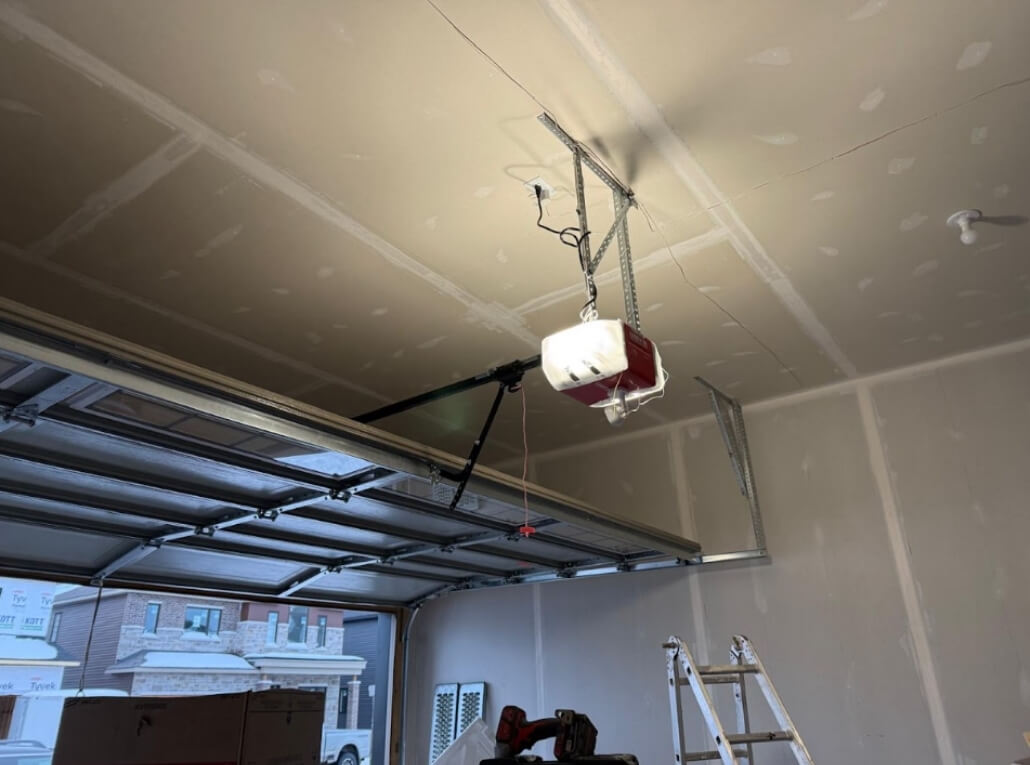
The symptom does not reveal the final part
Cost depends on the opener design, the failed component, parts availability, rail or trolley condition, control and sensor issues, and whether the door requires mechanical work first. A precise symptom description is more useful than guessing which part failed.
Share the opener model label, which controls do or do not work, and a short video that includes the sound and full door movement if it is safe to record.
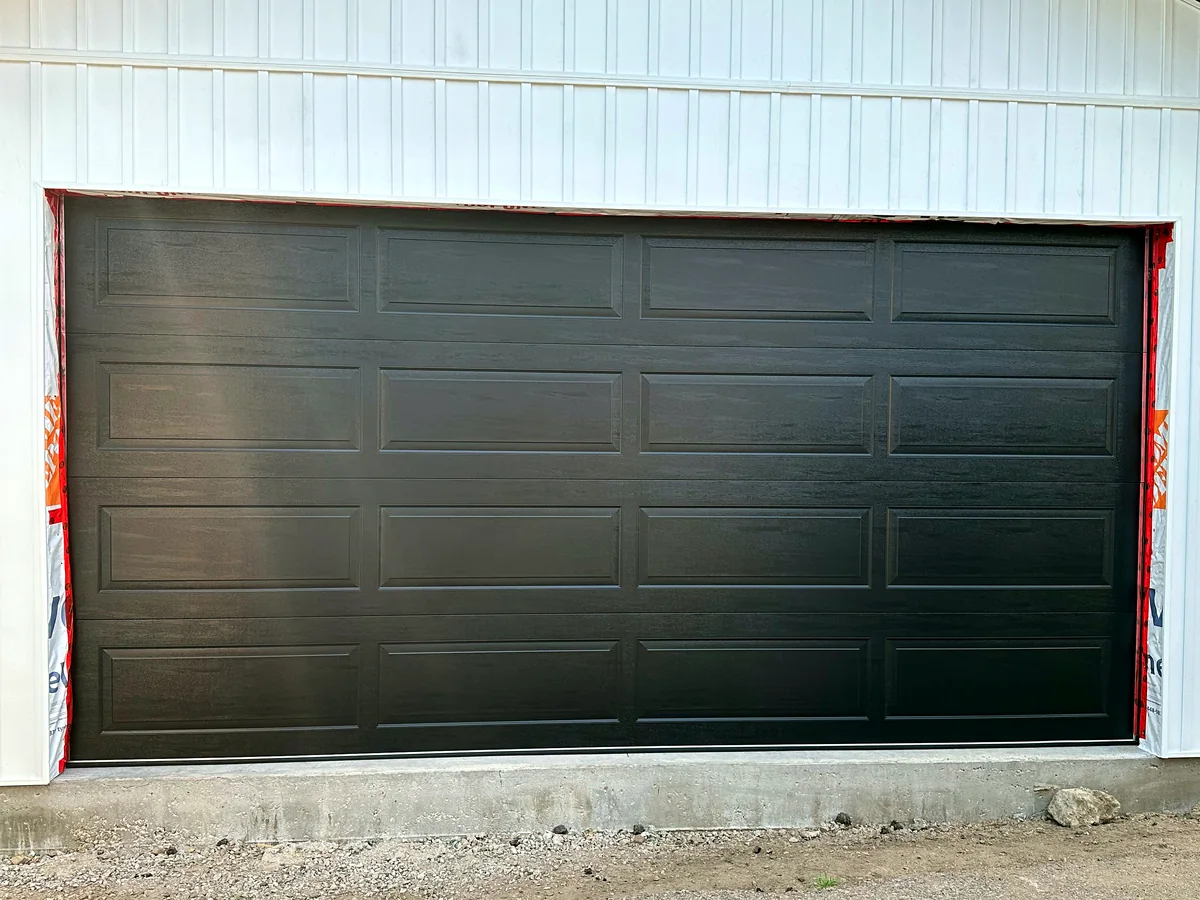
Free EstimateDoor size, section construction and track condition all influence opener performance. These original photos show different residential doors that require a properly balanced mechanical system before automatic operation is assessed.
View Gallery
Citywide and nearby communities
We troubleshoot residential garage door openers throughout Calgary. For a nearby community, send the address, opener model and exact symptoms so we can confirm availability.
Clear answers before service
Flashing lights can indicate a safety-sensor, travel or diagnostic condition, but the meaning varies by model. Note the flash pattern and send a photo of the opener label before service.
Many units retain their settings, but remotes, clocks or connected features may need attention after power returns. If the door will not move, confirm that the outlet has power and avoid repeated cycling.
Compatibility depends on the opener brand, model, age, receiver and security system. The model label helps us determine whether a compatible remote or external receiver is available.
Intermittent operation can come from power, controls, wiring, safety sensors, internal wear or resistance in the door. Tell us which control was used and whether the motor made a sound when the problem occurred.
Many opener problems can be repaired, including sensor alignment, controls, travel settings and some drive components. Replacement may make more sense when parts are unavailable, the unit lacks modern safety features or the motor and rail both have significant wear.
Describe the symptom, not a guessed part
Send the model label and tell us which controls work, what sound you hear and where the door stops. Those details help us prepare before the visit.